
5 MAIN Reasons to Learn Arabic - Boost Motivation
You’ve probably thought about learning Arabic. Maybe it’s been sitting in the back of your mind for months, even years. But then the doubts creep in. Is it really worth the time? Will I actually use it? Isn’t it just… too hard?
I get it. Arabic has this reputation. People assume it’s only spoken in a handful of countries, or that it’s impossibly difficult to learn. But here’s what most people don’t realise: Arabic is one of the most practical, powerful languages you can learn right now.
Over 400 million people speak it across 25 countries. It opens doors to careers, faith, heritage and connections that other languages simply can’t match. And yes, it’s challenging. But not in the way you think.
Let me show you why Arabic deserves your time.
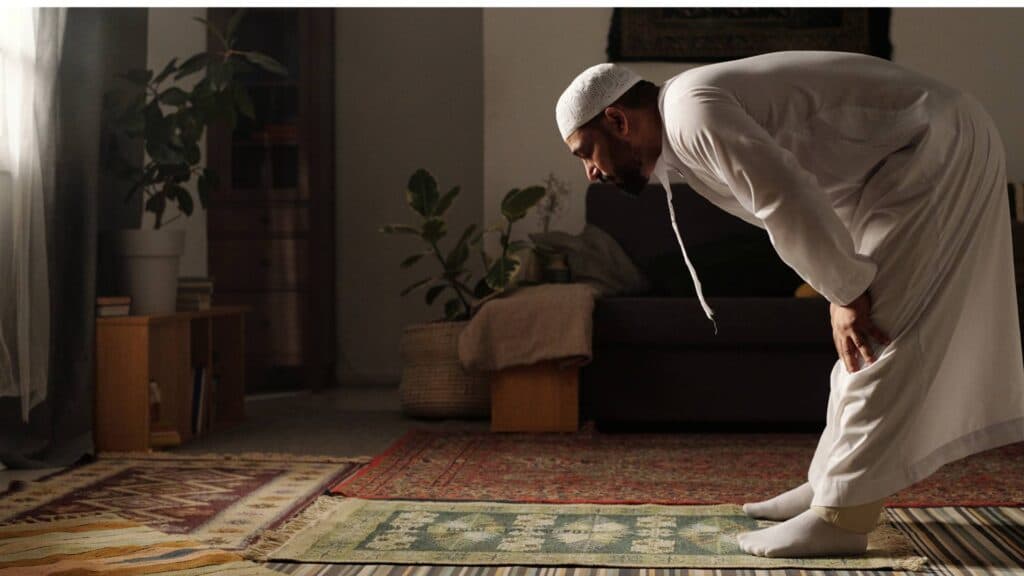
Connect with your heritage or faith
There’s something profound about hearing your grandparents’ language roll off your own tongue. When you learn Arabic, you’re not just picking up vocabulary. You’re reclaiming stories, traditions and a sense of belonging that might have felt just out of reach.
For millions of people, Arabic is the language of home. Without it, conversations stay surface-level. With it, you can hear the real stories, the ones your older relatives tell when they’re comfortable, speaking from the heart.
Learning Arabic for heritage means:
- Understanding family stories in their original form. No more asking someone to translate what your grandmother just said.
- Passing something meaningful to the next generation. Your children won’t experience the disconnect you might have felt.
- Feeling at home in places that matter to you. Whether visiting relatives abroad or attending community events, you’ll truly belong.
The Quran was revealed in Arabic. When you understand the language, you’re not relying on translations that never quite capture the original meaning.
It’s not about perfection. It’s about connection.
View our Arabic course for beginners.
Expand your career and professional opportunities

Arabic speakers are in high demand and the supply can’t keep up. Whilst millions learn Spanish or French, far fewer Westerners commit to Arabic. That gap is your advantage.
Governments, NGOs and multinational companies are constantly searching for people who can bridge the language divide. Arabic isn’t just useful in one or two fields. It opens doors across multiple industries.
Where Arabic speakers are needed:
- Diplomacy and international relations. Embassies, the UN and foreign offices need people who can negotiate and communicate across the Middle East and North Africa.
- Intelligence and security. Agencies actively recruit Arabic linguists for critical roles.
- International business and finance. The Gulf states are economic powerhouses. Companies doing business in Dubai, Riyadh or Cairo need employees who speak the language.
- Translation and interpretation. There’s consistent demand for qualified Arabic translators in legal, medical and media settings.
- Education and development work. Schools, universities and humanitarian organisations operating in Arabic-speaking regions need staff who can communicate directly with local communities.
You’re not just learning a language. You’re making yourself rare in the job market.
Travel and engage more authentically

Picture this: you’re in a Marrakech souk and instead of awkward pointing and guessing, you’re actually chatting with the shopkeeper. He’s telling you about his family, recommending a local restaurant his cousin runs. That’s what Arabic does for your travels.
The Arabic-speaking world stretches from Morocco to Oman, covering 25 countries across the Middle East and North Africa. These places are stunning, historic and welcoming. But without the language, you’re always on the outside looking in.
Even basic Arabic transforms how people treat you:
- Locals open up immediately. The moment you speak a few words of Arabic, faces light up. You’re no longer just another tourist.
- You access places tourists never see. When you can ask for directions or recommendations in Arabic, people invite you to hidden spots, family meals and local experiences.
- Conversations go beyond transactions. Instead of “how much?” You’re discussing football, politics, food and life.
You don’t need fluency to make an impact. A simple “shukran” or “kayf halak?” shows respect and effort. That effort gets rewarded with warmth, hospitality and real connection.
Improve your language skills and cognitive ability
Arabic makes your brain work harder and that’s a good thing. Because it’s structurally different from English, your mind has to build entirely new pathways. You’re not just memorising words. You’re rewiring how you think about language itself.
Research consistently shows that bilingual people have stronger memories, better problem-solving skills and more creative thinking. Learning Arabic takes this further because the challenge is bigger.
What makes Arabic uniquely beneficial:
- The script trains visual processing. Reading right-to-left and recognising connected letters sharpens spatial awareness and pattern recognition in ways Latin alphabets don’t.
- Root-based word formation builds analytical thinking. Arabic words come from three-letter roots. Once you spot the patterns, you can deduce meanings of unfamiliar words. It’s like solving puzzles constantly.
- Complex grammar strengthens cognitive flexibility. Dual forms, gendered nouns and verb patterns force your brain to juggle multiple rules simultaneously.
You’re not just learning Arabic. You’re giving your brain a proper workout.
Enjoy the challenge and personal fulfilment of mastering a “difficult” language
Let’s address the elephant in the room: yes, Arabic has a reputation for being tough. But here’s what nobody tells you, that difficulty is precisely what makes it so rewarding.
Think about the things you’re proudest of in life. Were any of them easy? Probably not. Arabic is the same. Every time you read a new word, construct a proper sentence or hold your first real conversation, you’ll feel genuinely accomplished.
The difficulty is overblown anyway:
- The alphabet takes just a few weeks. It looks intimidating at first, but 28 letters isn’t actually that many. Children learn it quickly and so can you.
- You don’t need perfection to communicate. Native speakers appreciate effort. They’ll help you, correct you kindly and cheer you on.
- Modern resources make learning accessible. Apps, tutors, online communities and structured courses mean you’re never stuck or alone in the process.
Learning Arabic builds more than language skills. It builds resilience, patience and confidence that spill into every area of your life. You prove to yourself that you can tackle hard things and win.
That’s a feeling worth chasing.