
Best Arabic Dialect to Learn – SPECIFICALLY FOR YOUR NEEDS

You’ve decided to learn Arabic. That’s brilliant.
But now you’re stuck. Egyptian? Levantine? Gulf? Moroccan? Modern Standard Arabic? Everyone’s telling you something different and you’re more confused than when you started.
I get it. You don’t want to spend months learning a dialect that nobody understands outside one country. You want to pick the right one from the start, the one that’ll actually help you communicate across the Arab world.
Here’s the truth: there isn’t one “perfect” dialect for everyone. But there is a best dialect for you, depending on what you want to do with Arabic.
I’m going to break down the most popular Arabic dialects, show you which ones give you the widest reach and help you make a confident decision. No more second-guessing.
Let’s sort this out.
Start with Modern Standard Arabic (MSA) – The Foundation
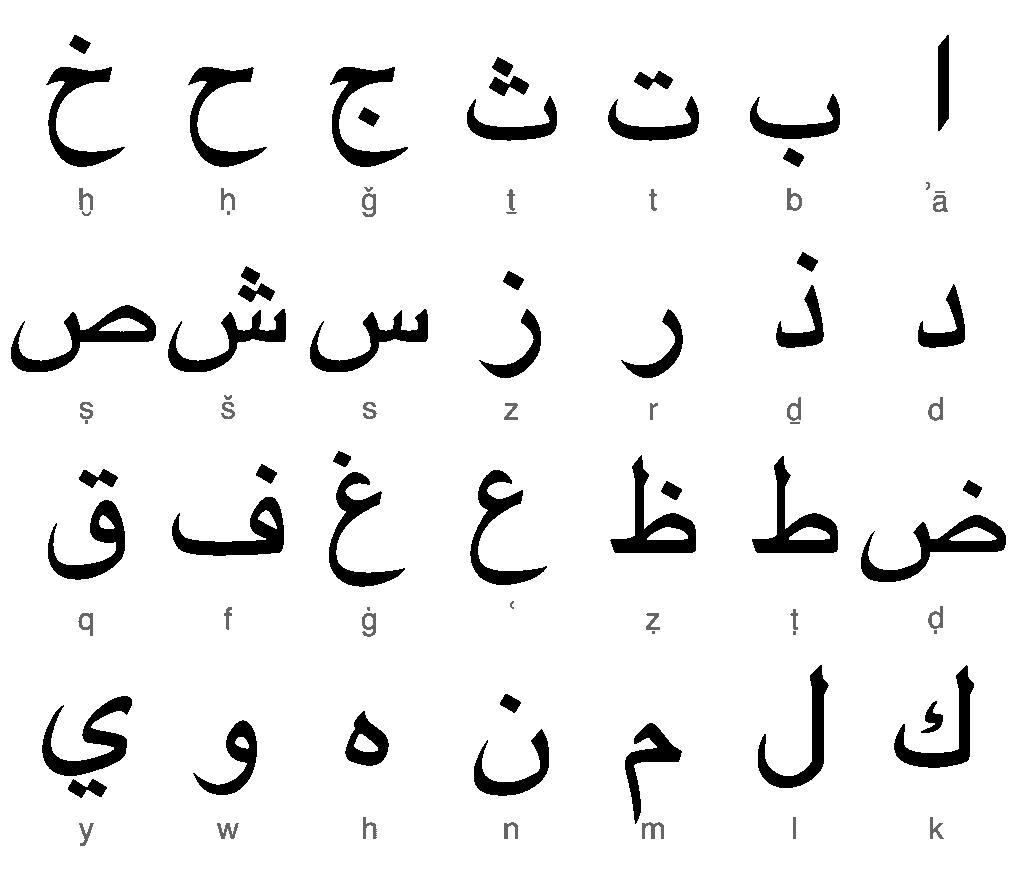
Modern Standard Arabic is the formal version of Arabic you’ll find in news broadcasts, books, official documents and religious texts. It’s standardised across all Arab countries, which means a Syrian and a Moroccan can both read the same newspaper without any confusion.
Think of MSA as the “proper” Arabic, the one taught in schools throughout the Arab world.
If you want to read Arabic literature, understand the Qur’an in its original language, or follow Al Jazeera without subtitles, MSA is your gateway. It gives you a solid foundation in grammar, sentence structure and vocabulary that carries over into every dialect.
Here’s the catch: nobody speaks MSA at home or in the street.
It’s like learning Shakespearean English and then trying to chat with someone at a café in London. You’ll sound overly formal, and everyday conversations will feel awkward.
MSA is powerful for written Arabic and formal settings, but it won’t help you order food, make friends, or have casual conversations.
Egyptian Arabic – The Most Understood Dialect

If you’re looking for maximum reach, Egyptian Arabic is your best bet.
Egypt dominates the Arab entertainment world. Their films, TV shows, music and YouTube content have been flooding the region for decades. This means Arabs from Morocco to Iraq have grown up hearing Egyptian Arabic, even if they don’t speak it themselves.
Why Egyptian Arabic works so well:
- Most widely understood across the Arab world
- Tons of learning resources available (textbooks, apps, YouTube channels)
- Opens doors in tourism, media and everyday conversations
The downside?
It’s not the go-to dialect in Gulf countries like Saudi Arabia, UAE or Qatar. If you’re planning to work in Gulf business or oil industries, Egyptian won’t hurt you, but it’s not the local language.
Where you’ll use it:
- Travelling across multiple Arab countries
- Consuming Arabic media and understanding lyrics
- Casual conversations with Arabs from different regions
- Living or working in Egypt, Sudan or parts of Jordan
Egyptian Arabic gives you the widest conversational reach. Simple as that.
Gulf Arabic – Best for Work and Business

Gulf Arabic covers Saudi Arabia, UAE, Qatar, Kuwait, Bahrain and Oman. If you’re working in these countries, this is the dialect you need.
The Gulf region is an economic powerhouse. Oil, finance, tech, construction, healthcare, expats flock here for career opportunities. Learning Gulf Arabic isn’t just practical; it shows respect and builds trust with colleagues and clients.
This is the best course for beginners looking to learn Arabic online.
Here’s why Gulf Arabic matters for professionals:
- Essential for navigating work environments in the Gulf
- Builds stronger relationships with local business partners
- Helps you understand workplace culture and social norms
- Makes daily life smoother (markets, restaurants, government offices)
In Gulf business culture, speaking even basic Arabic can set you apart. It signals commitment and cultural awareness. That matters when you’re building long-term partnerships or managing local teams.
The trade-off?
Gulf Arabic isn’t as widely understood outside the region. An Egyptian or Moroccan might struggle with some Gulf expressions and pronunciation.
Best for:
- Expats living and working in Gulf countries
- Business professionals in oil, finance or construction
- Anyone planning long-term residence in the Arabian Peninsula
Levantine Arabic – The Easiest for Beginners
Levantine Arabic is spoken in Lebanon, Syria, Jordan and Palestine. It’s known for being soft, melodic and surprisingly approachable for learners.
Many teachers and learners swear by Levantine as the easiest dialect to pick up. The pronunciation is gentler than Egyptian, the grammar is straightforward and it just flows naturally in conversation.
Why Levantine Arabic is beginner-friendly:
- Softer sounds that are easier to pronounce
- Less harsh consonants compared to Gulf or Egyptian
- Widely used in Turkish and Arab TV dramas (watched across the region)
The differences between Lebanese, Syrian, Jordanian and Palestinian Arabic are minor. A few words here and there, slight accent variations, nothing that’ll stop you from being understood across the Levant.
Levantine also enjoys decent recognition outside its region. Arabs from other countries are familiar with it thanks to popular TV series and social media influencers.
Best for:
- Beginners wanting an easier entry point
- Social media enthusiasts and content consumers
- Travellers visiting Lebanon, Jordan or neighbouring countries
- Anyone drawn to the Levantine accent and culture
Which Dialect Is Easiest for English Speakers?
Levantine and Egyptian Arabic are the easiest dialects for English speakers to learn. Both have smoother pronunciation, fewer harsh guttural sounds and abundant online resources. Levantine flows more gently, while Egyptian offers more learning materials and wider recognition across the Arab world.
Let’s be honest, Arabic has sounds that don’t exist in English. Those throaty consonants can feel impossible at first.
But some dialects go easier on you than others.
Levantine Arabic wins for pronunciation:
- Softer consonants that feel less intimidating
- Vowel sounds closer to what English speakers naturally produce
- Less emphasis on the heavy “qaf” and guttural sounds
Egyptian Arabic wins for learning resources:
- Thousands of YouTube tutorials, apps and textbooks
- Easy to find native speakers for practice online
- More exposure through media
Both dialects share significant vocabulary with MSA, which helps. If you’ve studied any MSA first, you’ll recognise grammar patterns and root words in both Egyptian and Levantine.
The bottom line?
Start with Levantine if you want gentle pronunciation. Pick Egyptian if you want maximum resources and widespread understanding.
Either way, you’re choosing a beginner-friendly path.
Can You Learn MSA and a Dialect Together?
Yes, you can learn MSA and a dialect together, it’s actually the smartest approach. Start with 3-6 months of MSA to build grammar foundations and reading skills, then layer in your chosen dialect for speaking practice. This hybrid method gives you both formal literacy and conversational fluency.
Here’s how I recommend doing it:
Step 1: Start with MSA basics (3-6 months)
- Focus on grammar, sentence structure, and reading
- Learn the Arabic script properly
- Build core vocabulary that appears in all dialects
Step 2: Add your chosen dialect for speaking
- Start listening to podcasts or YouTube in that dialect
- Practice common phrases and conversational patterns
- Notice how the dialect adapts MSA grammar
Step 3: Keep both active
- Read news or books in MSA
- Speak and listen in your dialect
- Let them reinforce each other
Think of it like learning proper grammar in English class whilst also learning how people actually talk in real life. You need both.
The MSA foundation makes learning any dialect faster because you’ll already understand the underlying structure. You’re not starting from scratch twice, you’re building on what you know.