
The Best Way to Learn Arabic – From an Arabic Teacher

If you’re feeling overwhelmed right now, I’m here to help you. Most learners bounce between Modern Standard Arabic and dialects, drown in grammar rules and end up with expensive textbooks gathering dust.
But here’s what nobody tells you: Arabic isn’t harder than other languages. It’s just taught badly.
Learning Arabic connects you with 420 million speakers. You’ll understand different cultures. You’ll understand the Quran’s original text.
I’ve taught Arabic for years. The approach I’m about to share gets beginners speaking within months, not years. This is the best way to learn Arabic.
Different Learners = Different Paths
Not everyone needs the same Arabic. Your goals shape your learning path and that’s perfectly fine.
I’ve seen too many students waste months on the wrong type of Arabic. Let’s fix that right now.
Religious Learners (Qur’an and Islamic Studies)
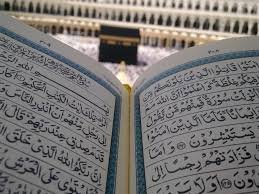
You’ll need Classical Arabic, not Modern Standard Arabic. They’re cousins, not twins.
Start with Quranic Arabic courses that teach vocabulary in context. Focus on understanding meaning before memorising rules.
Our online Arabic for Beginners course is perfect for you.
Professionals

You need Modern Standard Arabic for emails and Gulf dialect for meetings. Learn phrases for your industry first. Grammar comes later.
Dubai uses Gulf Arabic. Cairo uses Egyptian. Beirut uses Levantine. Pick based on where you’ll actually work.
Heritage Learners
You probably understand more than you think. Your challenge isn’t starting from zero, it’s filling gaps.
Focus on reading and writing first since you’ve heard the language at home. Use your parents’ dialect as your base. Add Modern Standard Arabic for formal situations.
Travellers

You don’t need grammar. You need survival phrases that actually work.
Egyptian Arabic covers most tourist destinations. It’s understood everywhere. Learn 100 phrases for markets, restaurants and transport first.
Parents Teaching Kids
Speak your dialect at home consistently. Don’t mix languages mid-sentence. Children’s brains handle this perfectly.
Use apps to make it fun.
Modern Standard Arabic (MSA) vs. Dialects: The Crucial Distinction
You’re almost choosing between two different languages.
MSA is like Shakespeare’s English. Beautiful, formal and nobody speaks it at the coffee shop. Dialects are what Arabs actually use to argue about football and complain about traffic.
MSA: The Formal, Written Language
Modern Standard Arabic lives in newspapers, novels and news broadcasts. It’s the language of official speeches and university lectures.
Arabs understand it but feel weird speaking it casually. Imagine chatting with your mates in Shakespearean English. That’s MSA in daily life.
You’ll read MSA everywhere. Street signs, government documents, restaurant menus.
Dialects: What People Actually Speak
Egyptian Arabic dominates films and music. Levantine Arabic (Syrian, Lebanese, Palestinian, Jordanian) sounds softer and more melodic.
Each dialect has its own grammar quirks, vocabulary and pronunciation. The word “what” alone has five different versions across dialects.
Choosing Your Focus Based on Goals:
- Want to read Arabic media? You need MSA. No shortcuts here.
- Planning to live in Cairo? Egyptian dialect only. MSA won’t help you haggle for tomatoes.
- Studying Islam? Classical Arabic for Quran.
Foundation Building: The Non-Negotiables
Skip these foundations and you’ll struggle forever.
Master the Arabic Alphabet Immediately

Avoiding it for months using English letters cripples your progress and makes you dependent on transliteration forever.
Write English words using Arabic letters. Write “coffee” as كوفي. Write your name. Write “Facebook” as فيسبوك. This builds muscle memory without the pressure of learning Arabic words simultaneously.
Practice writing right-to-left by journaling in Arabic letters but English words. Sounds mad, but it works great.
Develop Your Listening Foundation
Give your brain Arabic background noise. Not to understand, just to absorb rhythm and sounds.
Play Arabic podcasts while cooking. Egyptian movies during dinner. Your brain is pattern-matching even when you’re not actively listening.
Find your local mosque or Arab cultural centre. Sit in the back. Don’t understand a word? Perfect. You’re training your ear to recognise Arabic sound patterns.
The Cultural Assimilation Method

Become an Arab
To speak Arabic fluently, you need to think like an Arab. This means understanding when to insist someone stays for dinner three times, why refusing coffee is rude and how to properly compliment someone.
Arabs don’t just say “hello”. They ask about your health, your family’s health, your father’s cousin’s health. They’re social glue, not small talk.
Master proverbs like the popular “The monkey is a gazelle in his mother’s eyes” hits differently than “beauty is subjective”.
Building Your Arabic Community
Local Opportunities
Arabic-speaking religious centres aren’t just for believers. Most also run Arabic coffee mornings.
Cultural festivals happen in many cities. Arab food fairs, cultural celebrations and more.
Language exchange meetups work brilliantly. Arabs want to practise English. You need Arabic. Everyone wins. Check Facebook groups and Meetup.com.
Middle Eastern restaurants are goldmines. Eat there weekly. Chat with staff in broken Arabic. Let them know you’re trying to learn Arabic and they’ll adopt you immediately.
Online Connections
Arabic Discord servers are very different to traditional language apps. Real conversations, voice channels, instant feedback.
Social media Arabic teaching groups on Facebook. Let them know you’re learning Arabic and ask for feedback.
The Immersion Learning Approach
Many Arabic students study for years before attempting to go out there and have their first conversation. That’s like learning to swim by reading books about water.
Speaking From Day One
Start speaking Arabic immediately, even if you only know five words. Use those five words until they’re automatic, then add five more. Perfectionism kills more Arabic dreams than difficulty ever could.
Your first Arabic sentences will sound like a toddler having a stroke. Good. That means you’re actually learning, not just studying.
Arabs appreciate broken Arabic more than perfect silence. They’ll help, correct gently and remember you as “the one who tries”. That reputation opens doors.
Practical Speaking Strategies
Use your ten words constantly. Know “coffee”, “please” and “thank you”? Order coffee fifty times. Each repetition builds neural pathways.
Record yourself daily. One minute. Describe your breakfast in broken Arabic. Listen back weekly. You’ll hear progress when you can’t feel it.
Shadow native speakers like a parrot with ambition. Play Arabic YouTube videos. Pause after each sentence. Copy exactly. Don’t understand? Doesn’t matter. You’re training your mouth muscles.
Think out loud in Arabic. Narrate your life. “Now I’m walking. I see car. Car is white.” Sounds stupid. Works brilliantly.
Mix Arabic into your English thoughts. “I need to buy خبز (bread) from the shop.” Your brain starts accepting Arabic as normal, not foreign.
Set phone reminders in Arabic. Change your social media language settings. Force Arabic into your daily life.
The perfectionism trap keeps you silent and stuck. The lagging Arabic students are perfectionists. My best ones sounded terrible for months but they’re willing to make mistakes and make themselves look silly..
Speaking badly is the price of speaking well. Pay it early, pay it gladly.
5 Principles to Follow
1. Speak Early and Often (Even if “Bad”)
Your Arabic will sound terrible for months. This isn’t failure; it’s the messy middle stage every fluent speaker went through. Mistakes are data, not disasters.
I butchered Arabic for six months straight. Said “pregnant” instead of “heavy”. Arabs laughed, corrected me and became friends.
Perfect grammar is a luxury. Year one is about building courage and momentum.
2. Consistency Over Intensity
Fifteen minutes daily beats five-hour weekend marathons. Your brain needs daily Arabic contact to build permanent pathways.
I’ve seen students do intensive weekend courses then nothing for weeks. They’re essentially starting over each time. Meanwhile, the student practising ten minutes every morning over coffee becomes conversational.
Set laughably small daily goals. Five new words. One paragraph reading. Three minutes speaking. Small goals done daily compound into fluency.
3. Use Quality Resources
That free PDF promising “Arabic in 30 days” will waste your year. Poor materials teach outdated Arabic nobody speaks.
Quality resources cost money. Accept this. You’re investing in reaching fluency years faster.
4. Active vs. Passive Learning
Watching Arabic shows isn’t studying. It’s preparation for studying. Real learning happens when you produce Arabic more than you consume it.
For every hour listening, spend two hours speaking or writing. Output reveals gaps input hides.
Write comments in Arabic. Text Arabic-speaking friends.
5. Monitor Your Progress and Adjust
Record yourself weekly. Can you describe your day in more detail than last week? That’s progress.
Hit a plateau? Change methods immediately.
Ask Arabs for brutal feedback. “Does my Arabic sound weird?” They’ll tell you. Use their honesty as guidance.
Keep a mistakes journal. Not to feel bad, but to see patterns. Making new mistakes means you’re advancing.
Motivation and Mindset
Embracing the Journey
The moment you stop being “someone learning Arabic” and become “an Arabic speaker” changes everything. Even if you only know twenty words.
I watch students transform when they make this shift. They stop apologising for their Arabic. They start thinking in Arabic fragments. They own their mistakes as part of their Arabic identity.
Call yourself an Arabic speaker now. Not future tense. Present tense. You speak Arabic badly? Still counts. You’re a beginner Arabic speaker, not an Arabic learner.
This isn’t word games. It’s brain rewiring.
Finding Your “Why”
Your reason for learning like. “It’s useful for work” won’t carry you through month six when everything still sounds like noise.
What’s your real why?
“My Syrian neighbour lost her husband. She only spoke Arabic. I wanted to sit with her properly, not just smile and nod.”
“I want to understand my religion better and dive into its vast knowledge that’s paved the way not just for the muslim but the west and the entire world”
What’s your why?
Write your why somewhere visible. Make it specific. Not “understand Arabs” but “hear my grandfather’s war stories before he’s gone”.
Test your why: Does it matter at 2am when you’re exhausted? If not, dig deeper.
The Plateau Navigation
Week eight hits like a brick wall? Yesterday’s progress vanished. Words you knew disappear. You feel stupider than day one.
This isn’t failure. It’s consolidation. Your brain is filing information, building permanent pathways. The confusion means it’s working.
When plateaus hit, change things. Switch from news to cartoons. Go from writing to speaking more. Take a few days off and reset, there’s nothing wrong with that.
Plateau breakers:
- Learn five weird words (motivation through mischief)
- Text Arabs using only emoji and Arabic
- Teach someone else what you’ve learnt
Plateaus feel like drowning because you can’t see the learning happening underground. Trust it. I’ve taught for many years. Every student who pushed through their plateau had a breakthrough.
The plateau isn’t your enemy. It’s your brain saying “hold on, I’m processing”.
Common Pitfalls and How to Avoid Them
I’ve watched hundreds of Arabic learners crash into the same walls. Here’s how to avoid joining them.
The Big Mistakes
Not practising speaking is the ultimate mistake. You can’t learn to drive by reading the motorway rules.
Focusing on grammar over communication creates mute Arabic experts. You’ll understand why something is grammatically incorrect but can’t order a sandwich.
Trying to learn multiple dialects simultaneously kills your progress. You’ll mix Egyptian and Lebanese, confuse everyone and sound like Arabic’s weird cousin.
Choosing low-quality resources because they’re free or convenient wastes months.
Not setting specific, measurable goals leaves you drifting. “Get better at Arabic” isn’t a goal. “Have a five-minute phone conversation by March” is.
Correction Strategies
Weekly progress assessments keep you honest. Every Sunday, test yourself. Can you say something you couldn’t last week? Record it. Prove it.
Finding accountability partners triples your success rate. If you’re lucky enough to find someone to be your accountability partner is a game-changer. Find your Arabic rival.
Adjusting methods based on results seems obvious but nobody does it. Flashcards not working after week three? Stop using them. Track what works. Double down on it. Kill what doesn’t. Be ruthless with methods, patient with yourself.
FAQ
Can I learn Arabic only with apps?
No. Apps teach vocabulary and basic phrases but can’t replace human conversation. Use apps for daily practice, but you need to go out there and speak to people for actual fluency.
How do I measure my level?
Record yourself describing your day in Arabic every month. Compare recordings. If you’re using more words and speaking faster, you’re improving.
How do I practise if I don’t know Arabs locally?
Go out to your local Arabic cafe. Join an Arabic Discord server and speak to people.
Is Arabic harder than European languages?
It’s harder, but not impossibly harder. The alphabet scares people more than grammar should.
How long does it take to become fluent?
It all depends on the person. Generally, three years of daily practice for conversational fluency. One year for tourist level. Five years for near-native. Anyone promising faster is probably lying.