
How to Learn Quranic Arabic Fast – Top Tips

You’ve been reading translations. But there’s a whole world hiding between the Arabic and English, meanings that don’t quite translate. Beauty that gets lost, connections you simply can’t see.
Quranic Arabic is different. It’s the classical form of the language, filled with patterns and structures you won’t find in today’s newspapers or street conversations.
I know the thought of learning Arabic feels huge. You’re juggling work, family and a dozen other things. You’ve started before and stopped. Maybe you’re worried you’ll mispronounce sacred words or waste time on the wrong materials.
I want you to imagine this: sitting in salah and actually understanding what you’re reciting. Not guessing. Just you and Allah’s words, direct and clear. Praying can feel like a blur but when you understand what you’re saying, you become conscious in your prayers.
Your background doesn’t matter. Your age doesn’t matter. What matters is starting with the right approach.
Why Learn Quranic Arabic?
Learning Quranic Arabic lets you understand Allah’s words directly, improves your focus in salah and opens up Islamic scholarship that’s been locked behind translation. You’ll stop relying on others to tell you what the Quran means. You’ll read it and know for yourself.
You’ll Feel Different in Salah

Right now, you’re reciting words you’ve memorised. The sounds are there, but the meaning isn’t. There’s a piece missing and you can feel it. When you know Quranic Arabic, that changes completely.
You’ll stand in prayer and actually process what you’re saying. “Guide us to the straight path” stops being sounds and becomes a genuine plea. Your khushu deepens because your mind isn’t wandering whilst your mouth moves on autopilot.
You’ll Stop Second-Guessing Translations
Have you ever read two different English translations of the same verse and wondered which one’s right? That frustration ends when you can read the Arabic yourself.
You’ll spot when a translation misses a nuance. You’ll understand why scholars debate certain interpretations.
You’ll Access Real Islamic Scholarship
Tafsir, hadith commentary, fiqh discussions, they all reference Arabic terms constantly. Without knowing the language, you’re always one step removed from the heart beat.
The Emotional Shift
There’s something profoundly different about reading Allah’s words in the language He chose. It’s not just intellectual. It’s emotional, spiritual.
You’ll feel closer during your personal Quran time. You’ll catch yourself pausing at a verse because you finally get what it’s saying.
First, Understand What You’re Learning
Quranic Arabic is classical Arabic with specific vocabulary and grammar patterns that repeat throughout the text. Unlike Modern Standard Arabic, you don’t need to learn everyday vocabulary about cars, technology or current events. You’re learning a focused set of words and structures that appear again and again in the Quran.
Classical vs. Modern Arabic: They’re Not the Same Thing
Modern Standard Arabic is what you’d hear on Al Jazeera or read in newspapers. It’s got thousands of words for contemporary life, smartphones, elections, football matches, you name it.
Quranic Arabic? It’s frozen in time from the 7th century. The vocabulary is limited to topics the Quran discusses.
What Makes Quranic Arabic Special?
The Quran uses patterns. Lots of them. Words are built from three-letter roots that carry core meanings. Once you know the root, you can often guess related words.
Essential Foundation Skills
You can’t build a house without laying the foundation first. Same goes for Quranic Arabic. These three core skills will carry you through everything else you learn.
Arabic Script Mastery
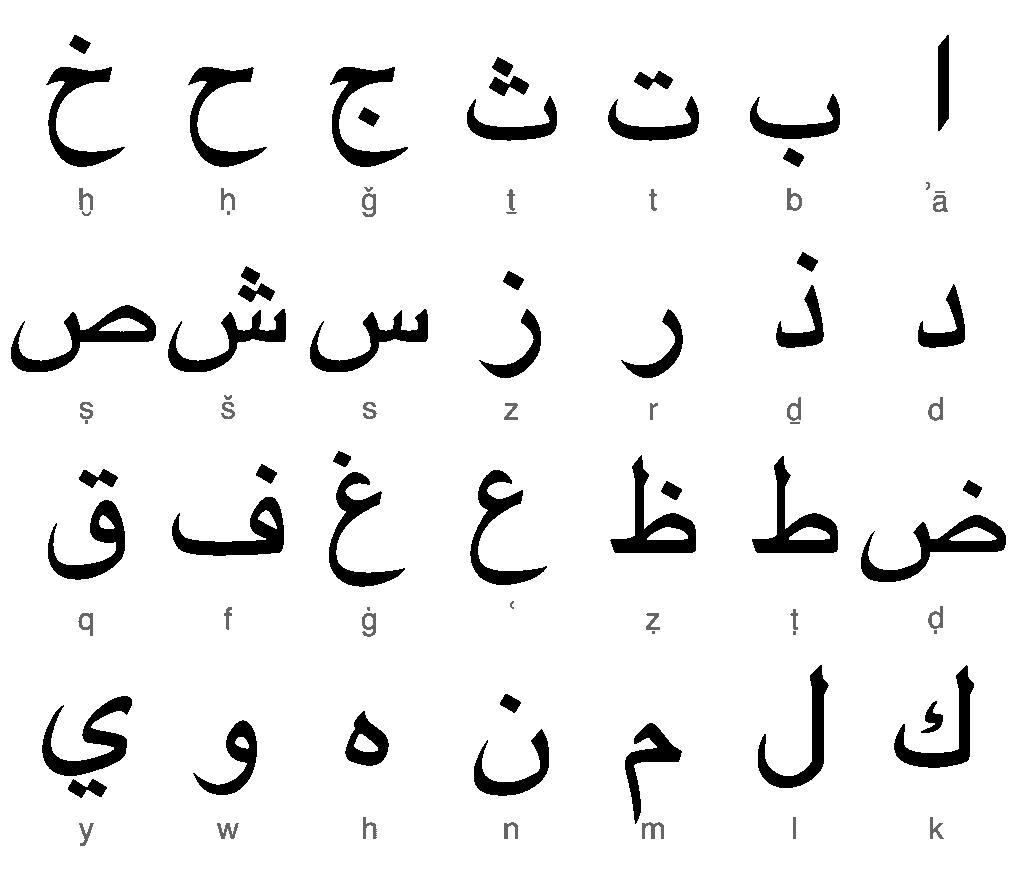
The Arabic script has 28 letters that change shape depending on where they sit in a word. Learning to recognise these letters and their connections is your first real task.
It’s just muscle memory. Like learning to ride a bike. Wobbly at first, then it becomes natural.
Start With Letter Recognition
Many of them look similar with small differences. Focus on one letter per day. Write it twenty times. Say its name. Look for it in Quranic text. Your hand needs to know the shape and your eye needs to spot it instantly.
Don’t worry about vowel marks yet. Just get the letters solid. Think of it like learning the English alphabet before you start reading full words.
Letter Connections Are Everything
Most Arabic letters connect to the letter after them. It’s cursive by default.
This means “b-a-b” doesn’t look like three separate letters stuck together. It flows as one connected word: باب. Your brain needs to see that as a unit, not three pieces.
Practise writing words, not just letters. Get comfortable with how letters hold hands, so to speak.
Tajweed Basics for Proper Pronunciation
Tajweed is the set of rules for pronouncing letters/words correctly. You don’t need to master tajweed to start learning, but you do need the basics: how to pronounce each letter properly, where to pause and how to apply vowel sounds.
This protects you from mispronouncing Allah’s words.
The Sounds That Don’t Exist in English
Arabic has sounds your mouth has probably never made. The throaty “ayn” (ع). The emphatic “saad” (ص). The rolling “ra” (ر).
You need to train your mouth. Listen to proper recitation. Repeat. Record yourself. Compare. It feels awkward at first but your mouth is just learning new positions.
Think of it like going to the gym for your tongue and throat. You’re building muscles you didn’t know existed.
Don’t Obsess Over Perfection
Your tajweed doesn’t need to be flawless on day one. Or day one hundred. It’s a skill that improves over years, not weeks.
Start with correct letter pronunciation. Get feedback from someone who knows proper recitation. But don’t let fear of mistakes stop you from reading.
Build Core Quranic Vocabulary
The Quran contains around 77,000 words total but only uses approximately 1,400-1,800 unique root words. Of these, the top 300 root words make up roughly 80% of the entire text. This means learning a focused vocabulary list gives you massive coverage quickly.
This is one of the most encouraging facts about learning Quranic Arabic. The vocabulary is limited and repetitive. That’s your advantage.
The Root System Is Your Superpower
Arabic words aren’t random collections of letters. They’re built from three-letter roots that carry core meanings. Every word related to that meaning shares the same root.
Let’s use “s-l-m” (س ل م):
- Salaam (peace)
- Muslim (one who submits)
- Islam (submission)
- Salima (to be safe)
Frequency Is Your Friend
Not all Quranic words appear equally. Some show up once. Others appear thousands of times. Your strategy should be obvious: learn the frequent ones first.
The word “qul” (say) appears over 300 times. The word “Rabb” (Lord) appears nearly 1,000 times. These high-frequency words give you immediate returns on your effort.
Start with the top 50. Then expand to 100. Then 200. Each milestone dramatically increases how much of the Quran you can read without checking a translation.
Use the Quran as Your Textbook

Start with short surahs you’ve already memorised, use word-by-word translations to see how sentences work and spot the root words you’ve been learning. This approach connects your vocabulary study directly to real Quranic text, making everything click faster.
Start With What You Already Know
You’ve memorised Surah Al-Fatihah. Open a word-by-word translation and read Al-Fatihah whilst looking at each Arabic word’s meaning underneath.
Why Short Surahs Work Best
Short surahs are manageable. You’re not drowning in unfamiliar words. You can sit with three or four verses and actually process what’s happening grammatically.
Common Challenges and Solutions
Every learner hits the same walls: motivation crashes after the initial excitement, grammar feels impossible and word-by-word reading never seems to flow naturally. The solution isn’t pushing harder, it’s adjusting your approach, setting smaller goals and accepting that fluency takes time whilst basic understanding comes quicker than you think.
Motivation Dips and How to Overcome Them
Sometimes your study routine feels like a chore you’re avoiding. The best thing to do is ask yourself ‘Why’ you’re trying to learn Arabic? Is it to show off to people? That’s not going to get you through the hurdles.
But learning it “Because I want to feel a deeper connection to the most influential book of all time’ is a much better reason.
Shrink Your Goals When Motivation Drops
You started studying 30 minutes daily. Now you can’t face it. Don’t quit. Just do five minutes instead. Five minutes reading one verse. Five minutes reviewing yesterday’s notes.
Find an Accountability Partner
Learning alone is hard. Learning with someone else changes everything. Find one person, a friend, family member, online study buddy who’s also learning. Not everyone can do this but if you can, it’s a game changer.
You can learn Arabic in person at Madinah College. Or learn Arabic online on MCL Portal.
Celebrate Small Wins
You recognised five words in a verse without checking the translation. That’s a win. You read a full surah and understood 30% of it. That’s a win.
Don’t wait until you’re fluent to feel accomplished. Mark every milestone, no matter how tiny. Your brain loves positive reinforcement to stay engaged.
Balancing Speed vs. Thoroughness
Most beginners either rush through material without truly understanding it or get stuck perfecting one concept for months. The sweet spot is “good enough to move forward” – understanding 70-80% before progressing, not 100%.
Dealing With Complex Grammatical Concepts
Arabic grammar has a reputation for being difficult. The truth is you don’t need to master advanced grammar to understand the Quran, you need enough grammar to recognise patterns and extract meaning.
FAQ
How long does it take to learn Quranic Arabic?
Your timeline depends on how much time you dedicate daily and whether you’re starting from scratch or already know the Arabic script.
Do I need to learn Modern Standard Arabic first?
No, you don’t need Modern Standard Arabic before learning Quranic Arabic. They share the same grammar foundation but Modern Arabic focuses on vocabulary you won’t find in the Quran. Starting directly with Quranic Arabic is more efficient and keeps you focused on your actual goal.
Is tajweed the same as learning Quranic Arabic?
No, tajweed and Quranic Arabic are different skills. Tajweed is the correct pronunciation, how to produce sounds properly and where to pause. Learning Quranic Arabic is understanding the meanings of words and grammar.